




Structural Composition of a Silicone Strip Extruder
Time:
2023-03-07
In our daily lives, we often encounter silicone products such as silicone gloves, door and window seals, LED flexible light strips, automotive glass seals, and medical-grade silicone items. It’s safe to say that silicone products have become inseparable from our everyday routines. Most of these products are manufactured using silicone extruders—particularly silicone tubes, strips, and custom‑shaped profiles—because this method delivers high production efficiency, large output, and excellent quality. Silicone strip extruders are fundamental equipment in the silicone industry, playing a crucial role in tube‑making processes. Let’s take a closer look at the structural components of a silicone strip extruder. I. Process Structure of a Silicone Strip Extruder A typical silicone strip extruder consists of a drive motor, gearbox, speed regulator, feed hopper, extrusion screw, and extrusion die. II. Analysis of the Silicone Strip Extruder’s Operating Process 1. Preparations Before Starting the Machine (1) Inspect all machine components for abnormalities, check fasteners for looseness, and verify that there are no leaks in the piping system. (2) Fill the gearbox with filtered lubricating oil, ensuring the oil level matches the mark on the oil dipstick; also, apply sufficient grease to all lubrication points. (3) Prepare the necessary plates and various tools. (4) According to the instructions issued by the machine…
In our daily lives, we often encounter silicone products—such as silicone gloves, door and window seals, LED flexible light strips, automotive glass seals, and medical-grade silicone—and it’s safe to say that silicone products have become inseparable from our everyday routines. Most of these items are manufactured using silicone extruders, particularly for silicone tubes, strips, and custom‑shaped profiles, because this method delivers high production efficiency, large output, and excellent quality. Silicone strip extruders are essential equipment in the silicone industry, playing a critical role in tube‑manufacturing processes. Next, let’s take a closer look at the structural components of a silicone strip extruder.
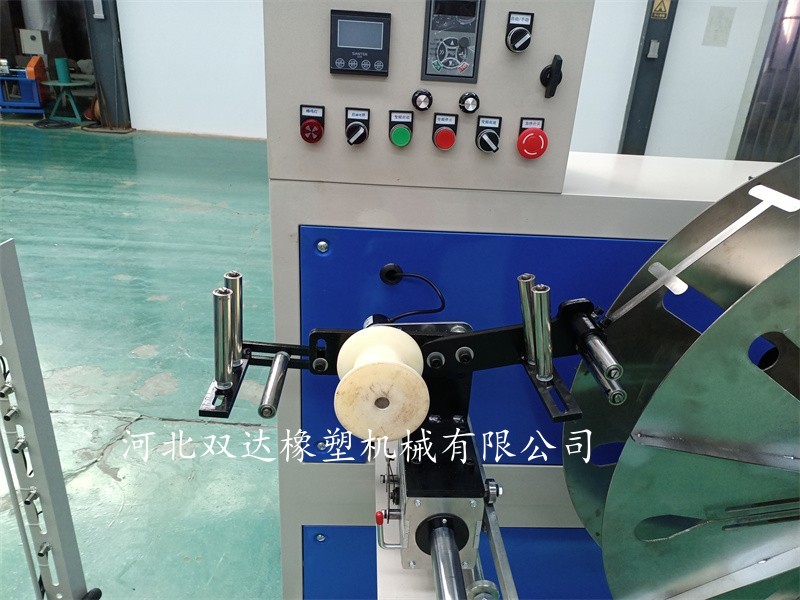
I. Process Structure of the Silicone Strip Extruder
A silicone strip extruder primarily consists of a drive motor, gearbox, speed controller, feed hopper, extrusion screw, and die.
II. Analysis of the Operating Process of a Silicone Strip Extruder
1. Prepare the silicone extruder before powering on.
(1) Inspect all components of the machine for abnormalities, verify that fasteners are securely tightened, and check pipelines for leaks, etc.;
(2) The gearbox shall be filled with filtered lubricating oil, and the oil level shall correspond to the mark on the oil dipstick; all lubrication points shall be adequately greased.
(3) Prepare the板材 and all necessary tools;
(4) According to the production task order issued by the machine, transfer the plastic material to the feed side, and after verifying that the wire core meets specifications, place it on the wire‑reel rack.
(5) Select the appropriate die sleeve and core.
2. Start the silicone strip extruder
(1) Start the drying jacket and set the temperature according to process requirements.
(2) Start the heater and set the temperature according to process requirements.
(3) Before formal startup, check whether there are periodic impacts or other abnormal noises during operation, and inspect the screw and bearing sleeves for scratches.
(4) Thread the conductor through the die core and connect the lead wire; pass the lead wire through the drying sleeve, the spark tester, and the powder box, wrap it around the take-up pulley 3–4 times, and then secure the lead wire on the take-up reel.
(5) Calibration: Start the screw, slowly turn the speed‑regulating potentiometer, and once rubber has been extruded, calibration can be performed. Adjustment is made via the large bolt at the knob head. After the die has been initially adjusted, run a short length of cable, mark the identification direction on the cable surface, and then check whether the conductor core is eccentric. Once the die is properly set, normal production can commence.
(6) During normal production, monitor equipment operation and product quality; regularly measure the outer diameter and inspect the appearance. The cable surface shall be smooth, uniformly colored, free from mechanical damage, and free from defects such as bamboo‑joint formations and foreign inclusions.
(7) After a cable is extruded to a full reel or a specified length, its diameter and appearance shall be inspected repeatedly. A sufficient clearance must be maintained between the outer layer of each reel and the side panels, and each reel shall be tagged with a process‑flow card and properly documented.
(8) During operation, if the silicone extruder exhibits any abnormal conditions or unusual noises, it shall be immediately shut down for inspection and repair, or the relevant department shall be notified.
III. Shutdown Procedures and Precautions for Silicone Strip Extruders
(1) Sequentially disconnect the power supplies to the traction system, the main unit, and other components; dismantle the die head; remove the rubber compound; tighten the screws after re‑installing the compound to prevent corrosion of the machine parts; then disconnect the main power supply.
(2) After the die core and die sleeve have descended, remove the rubber compound, wipe it clean, apply lubricant, and affix a label indicating the die aperture size to prevent contact between the die core opening and the die sleeve opening.
(3) Prevent hard objects such as metal from entering the barrel to avoid damaging the screw.
(4) After shutdown, be sure to close the feed inlet cover.
(5) Operate the machine with full attention to prevent accidents.
Related news
Shuangda

Hebei Shuangda Rubber Machinery Co., Ltd.
Tel:400-0319-386
Landline:+86-319-6017632
Email:shuangdaxiangsu@126.com
Official website:www.shuangdajx.com
Addr:Liyuantun Industrial Zone, Weixian County, Xingtai City, Hebei Province
Copyright © 2022 Hebei Shuangda Rubber Machinery Co., Ltd.