




What is the significance of plastic pelletizing machines in the recycling of waste plastics?
Time:
2021-05-16
The practical significance of recycling and reusing waste plastics goes beyond simple waste management; it carries broader, long-term, and proactive implications, primarily evident in two key areas: 1. The environmental harm caused by discarded plastics. Due to their excellent quality and low cost, plastics are widely used for product packaging, and the majority of these single-use items are thrown away after use, resulting in the well-known “white pollution.” For example, agricultural plastic mulch films have greatly advanced farming practices; however, improper disposal of residual fragments creates an impermeable barrier in the soil, degrading soil quality, hindering root growth and the absorption of water and nutrients, and even leading to soil contamination. Over time, rainwater leaches harmful additives from plastic waste into surface waters—rivers, lakes, and oceans—causing environmental pollution and posing risks to human health. Consequently, China is actively promoting technologies for recycling waste plastics, with plastic recycling pelletizing machines serving as one viable option. Through the processes of collection, cleaning, shredding, and drying, waste plastics can be effectively processed. The relationship between waste plastic recycling and energy resources is significant. Most modern plastics are derived from petroleum, yet China’s oil reserves account for only about 2% of the world’s total. Starting in 1993, China transitioned from a net oil exporter to a net importer, and by 2002 had surpassed Japan to become the world’s second-largest oil consumer. Today, China’s dependence on imported oil has reached nearly 40%. As a result, energy scarcity has become a major obstacle to socioeconomic development, and recycling waste plastics can help alleviate this growing resource shortage to some extent. Currently, China produces vast quantities of plastic products, increasing annually at rates exceeding 10%, generating staggering amounts of waste plastic. However, the current state of waste plastic recycling in China remains concerning, with the majority of such materials still being disposed of through landfilling. In summary, the value of plastic recycling pelletizing machines aligns with the overarching goals of waste plastic recycling, with pelletizing equipment serving as an effective means to achieve this objective. Plastic pelletizing machines are categorized into single-screw extrusion pelletizers and single-screw pelletizers. Single-screw extrusion pelletizers can process plastic films, packaging bags, waste synthetic fibers, greenhouse plastic films, and similar materials, while single-screw pelletizers are suitable for recycling PET bottles (plastic water bottles) and other types of waste plastics. Additional specialized models include PVC pelletizers, cable‑sheath pelletizers, polyvinyl chloride pelletizers, eco‑friendly pelletizing machines, environmentally friendly plastic recycling systems, BOPP film pelletizers, nonwoven fabric pelletizers, LDPE film pelletizers, CPP film pelletizers, composite plastic film pelletizers, PET fiber pelletizers, plastic printing film pelletizers, plastic crushing and washing machines, plastic rinsing equipment, air‑cooled plastic pelletizers, beverage bottle crushing and washing lines, PET plastic cleaning systems, and PET pelletizing machines.
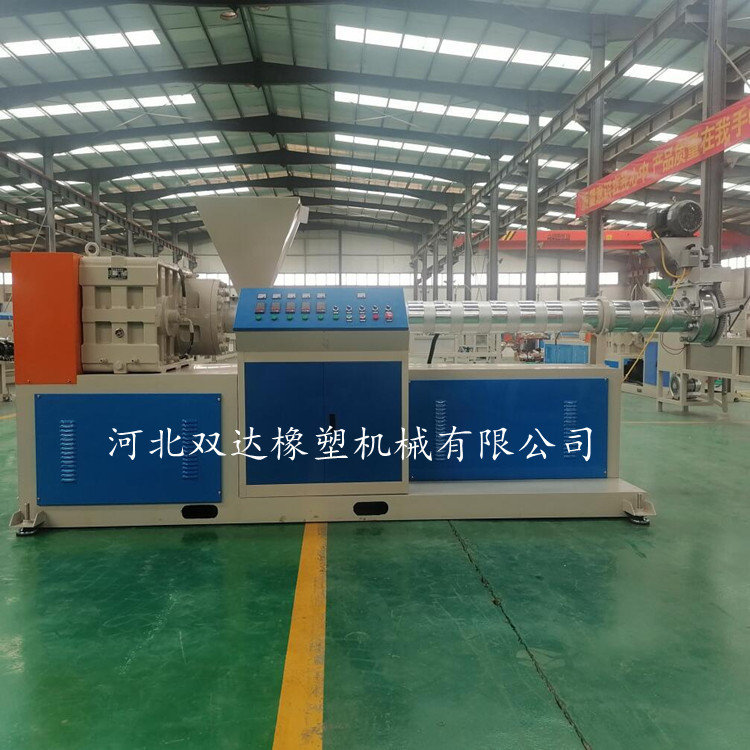
The practical significance of recycling and reusing waste plastics goes beyond simple waste management; it carries broader, long-term, and proactive implications, primarily evident in two key areas. First, the environmental harm caused by discarded plastics—owing to their durability and low cost, they are widely used for product packaging, with most being single‑use items that end up as the familiar “white waste.” For example, agricultural mulch films have greatly advanced the agricultural sector, yet the indiscriminate disposal of residual fragments creates a barrier in the soil, degrading soil quality, hindering root growth and the absorption of water and nutrients, and even leading to soil contamination. Over time, rainwater leaches harmful additives from plastic waste into surface waters, contaminating rivers, lakes, and oceans and posing risks to human health. Consequently, China is actively promoting technologies for recycling waste plastics, with plastic‑recycling pelletizing machines serving as one viable option. Through processes such as collection, cleaning, shredding, and drying,
The link between waste plastic recycling and energy supply: Most modern plastics are derived from petroleum, yet China’s oil reserves account for only about 2% of the world’s total. Starting in 1993, China transitioned from an oil‑exporting country to a net oil importer; by 2002, it had surpassed Japan to become the world’s second-largest oil consumer. Today, China’s dependence on imported oil has already reached 40%. Consequently, energy shortages have become a major impediment to socio‑economic development, and the recycling and reuse of waste plastics can, to a certain extent, help alleviate the growing resource scarcity. At present, China’s production of plastic products remains extremely high, increasing annually at a rate exceeding 10%, resulting in staggering volumes of waste plastic. However, the current state of waste‑plastic recycling in China is cause for concern, with the vast majority of discarded plastics still being disposed of through landfill.
Overall, the value of waste‑plastic recycling pelletizing machines aligns with the broader goals of waste‑plastic recovery, and these machines serve as a key means of turning discarded plastics into reusable pellets. Pelletizing equipment is categorized into single‑screw extruder pelletizers and single‑screw pelletizers. Single‑screw extruder pelletizers can process plastic films, packaging bags, waste synthetic fiber filaments, greenhouse mulch films, and similar materials, while single‑screw pelletizers are suitable for recycling PET bottles (such as plastic water bottles) and other types of waste plastics. Additional applications include PVC pelletizers, cable‑sheath pelletizers, polyvinyl chloride pelletizers, eco‑friendly pelletizing systems, environmentally friendly plastic‑recycling equipment, BOPP film pelletizers, nonwoven fabric pelletizers, LDPE film pelletizers, CPP film pelletizers, composite plastic‑film pelletizers, PET fiber pelletizers, plastic‑printed‑film pelletizers, plastic crushing and washing machines, plastic rinsing equipment, air‑cooled pelletizing machines, beverage‑bottle crushing and cleaning lines, PET plastic‑cleaning systems, and PET pelletizing machines.
Related news
Shuangda

Hebei Shuangda Rubber Machinery Co., Ltd.
Tel:400-0319-386
Landline:+86-319-6017632
Email:shuangdaxiangsu@126.com
Official website:www.shuangdajx.com
Addr:Liyuantun Industrial Zone, Weixian County, Xingtai City, Hebei Province
Copyright © 2022 Hebei Shuangda Rubber Machinery Co., Ltd.