




The working principle of a plastic extruder
Time:
2025-06-22
The operating principle of a plastic extruder is to convert solid plastic pellets into a molten state through heating and screw rotation, then extrude them to form the desired shape.

1. Material feeding: Plastic raw material (e.g., pellets) enters the extruder from the hopper. 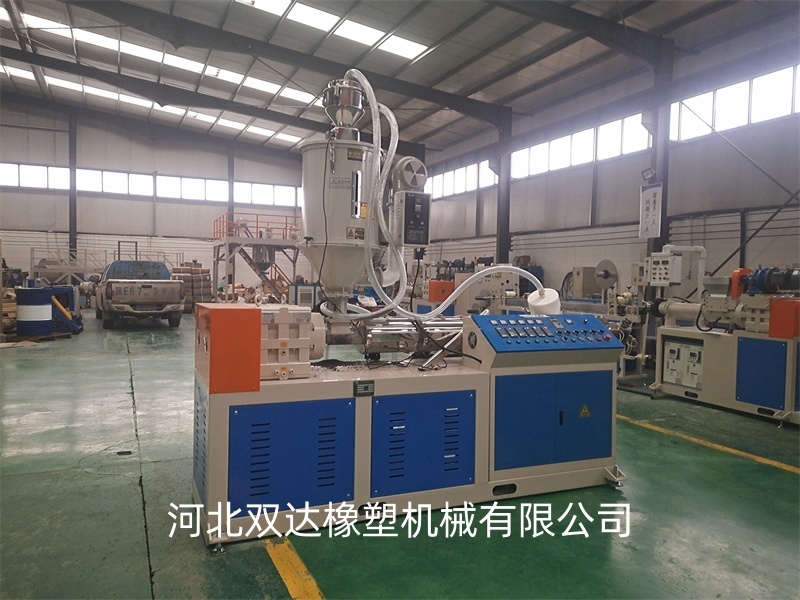
2. Heating and Melting: External heating elements in the barrel raise the material to a molten state, while the rotating screw generates shear heat, further accelerating the melting process. 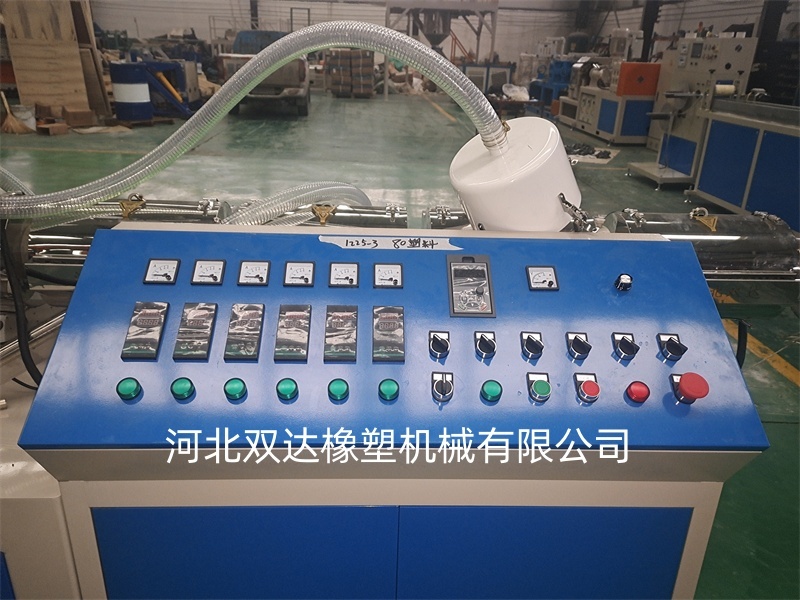
3. Screw Conveying and Compression: The screw advances the molten plastic by means of its threads, while the thread depth gradually decreases, thereby compressing the material and increasing its density. 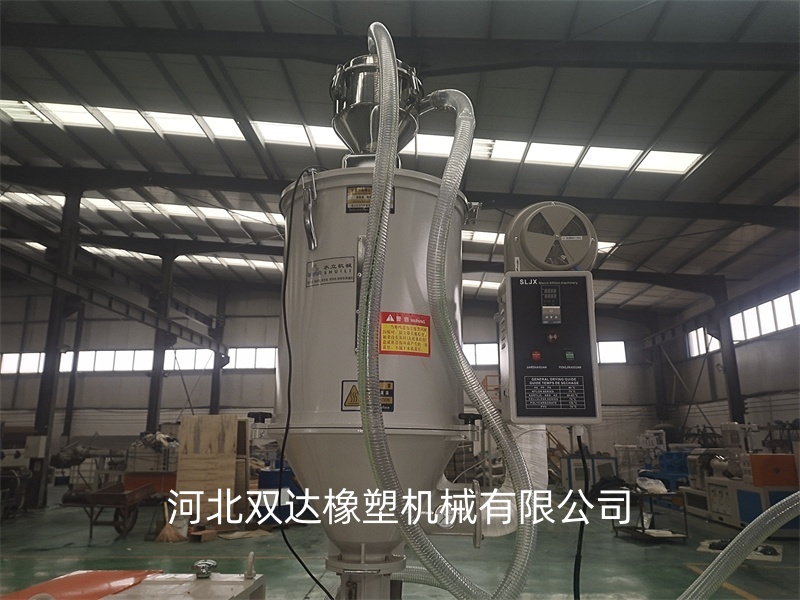
4. Mixing and Plasticization: The rotation of the screw and the shear forces generated by the barrel’s inner wall ensure thorough mixing and plasticization of the polymer, resulting in a uniform melt. 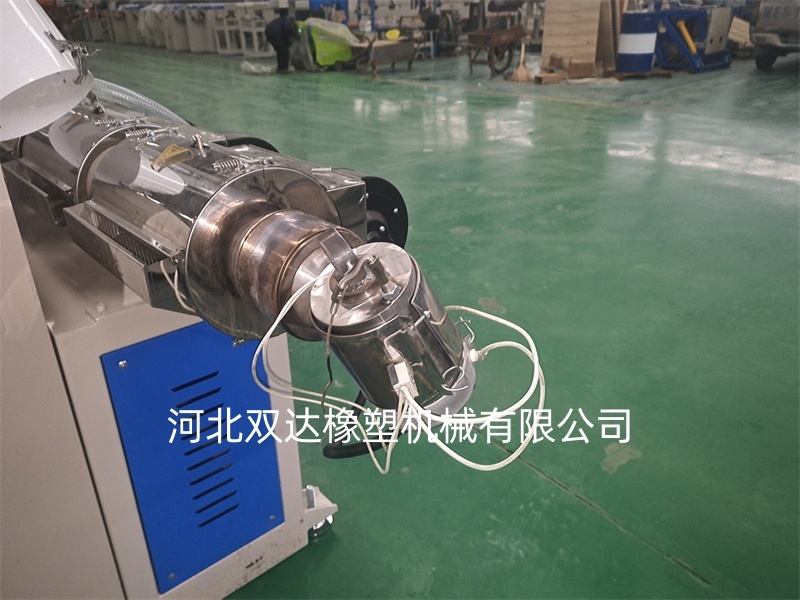
5. Extrusion Molding: The molten polymer is forced through a die of a specific cross-section to form the desired shape (such as tubing or sheet), and then cooled and set to produce the finished product.
Related news
Shuangda

Hebei Shuangda Rubber Machinery Co., Ltd.
Tel:400-0319-386
Landline:+86-319-6017632
Email:shuangdaxiangsu@126.com
Official website:www.shuangdajx.com
Addr:Liyuantun Industrial Zone, Weixian County, Xingtai City, Hebei Province
Copyright © 2022 Hebei Shuangda Rubber Machinery Co., Ltd.