




Silicone Rubber Extruder vs. Silicone Extruder: Which Is Better Suited for Your Production?
Time:
2024-05-30
Silicone rubber extruders and silicone extruders have long been topics of great interest in seal‑strip manufacturing. But which one is better suited to your production needs? In this article, we’ll take a close look at the strengths and limitations of each type of extruder to help you make an informed decision. When choosing an extruder, the first factor to consider is your production requirements. Silicone rubber extruders are typically ideal for manufacturing seal strips that demand higher hardness and strength, whereas silicone extruders are better suited to applications requiring greater softness and elasticity. If your seal strips need to exhibit exceptional resistance to high temperatures, low temperatures, or chemical corrosion, a silicone rubber extruder may be the more appropriate choice. Another important consideration is production cost. Silicone extruders generally come at a more affordable price than silicone rubber extruders; however, the quality and performance of seal strips produced with a silicone extruder may fall slightly short. Therefore, if cost is a key concern and your product’s performance requirements are not particularly stringent, a silicone extruder could be the better option. In summary, both silicone rubber extruders and silicone extruders have their own advantages, and the best choice depends on your specific needs and budget. We hope this overview helps you better understand the differences between the two, enabling you to make the right decision.
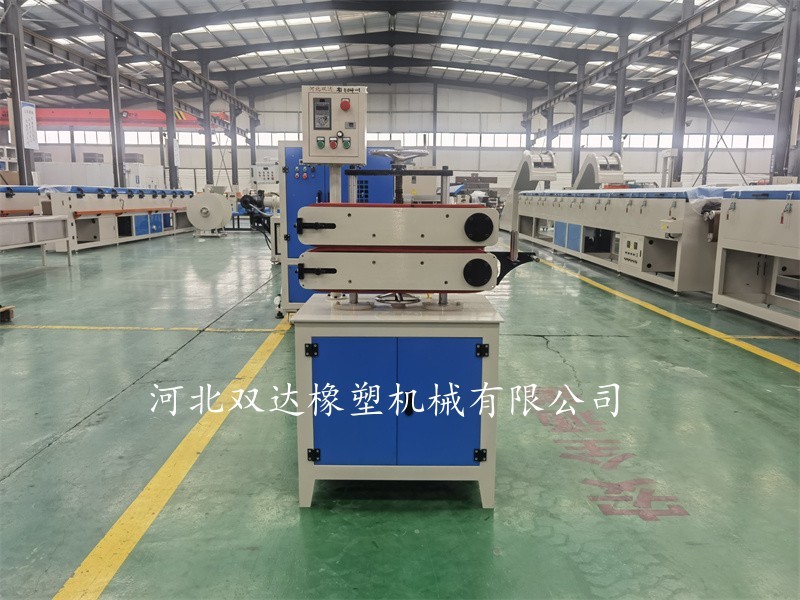
When selecting an extruder, the primary consideration should be your production requirements. Silicone rubber extruders are typically suited for manufacturing sealing strips that demand higher hardness and strength, whereas silicone extruders are better suited for applications requiring greater softness and elasticity. If your sealing strips need to exhibit exceptional resistance to high temperatures, low temperatures, or chemical corrosion, a silicone rubber extruder may be the more appropriate choice.
In addition, production costs are an important consideration. Silicone extruders are generally more cost‑effective than silicone rubber extruders, but the quality and performance of sealing strips produced on a silicone extruder may be slightly inferior. Therefore, if you are cost‑sensitive and your product’s performance requirements are not particularly stringent, a silicone extruder may be the better choice.
In summary, silicone rubber extruders and silicone extruders each have their own advantages; the choice between them depends on your specific needs and budget. We hope this article has helped you better understand the differences between the two, enabling you to make an informed decision.
Related news
Shuangda

Hebei Shuangda Rubber Machinery Co., Ltd.
Tel:400-0319-386
Landline:+86-319-6017632
Email:shuangdaxiangsu@126.com
Official website:www.shuangdajx.com
Addr:Liyuantun Industrial Zone, Weixian County, Xingtai City, Hebei Province
Copyright © 2022 Hebei Shuangda Rubber Machinery Co., Ltd.