




Valuable insights: a one-minute guide to filter‑gel machines.
Time:
2023-06-15
A rubber filter machine is an indispensable piece of equipment in the production of rubber products, primarily used to filter raw rubber and remove impurities, thereby ensuring product quality. Since its inception, the technology has advanced rapidly, evolving from manual operation toward automation and intelligent systems. Why has the development of rubber filter machines been so swift? 1. From Manual to Mechanized Operation Early models relied on manually rotating a filter drum to allow raw rubber to pass through the mesh screen. However, this method was physically demanding and inefficient. With technological progress, rubber filter machines gradually transitioned to mechanized operation, entrusting the filtration process to machinery. This not only saved labor and resources but also significantly boosted processing efficiency. 2. From Conventional Mechanics to Electronic Control Over years of development, modern rubber filter machines have ceased to be simple mechanical devices; they now integrate pneumatic, hydraulic, and electrical control technologies into a single system. Equipped with electronic control, these machines offer features such as automatic cleaning, automatic waste discharge, and automatic shutdown upon detecting material depletion, greatly enhancing both production efficiency and product quality. 3. The Trend Toward Intelligent Automation Today, rubber filter machines are increasingly intelligent, incorporating sensors, controllers, and networking technologies. They enable real-time monitoring and fault‑prevention alerts, improving equipment reliability and stability while reducing production costs and…
A rubber filter machine is an indispensable piece of equipment in the production of rubber products, primarily serving to filter raw rubber and remove impurities, thereby ensuring product quality. Since its inception, the technology has advanced rapidly, evolving from manual operation toward automation and intelligent systems. Why has the development of rubber filter machines been so swift?
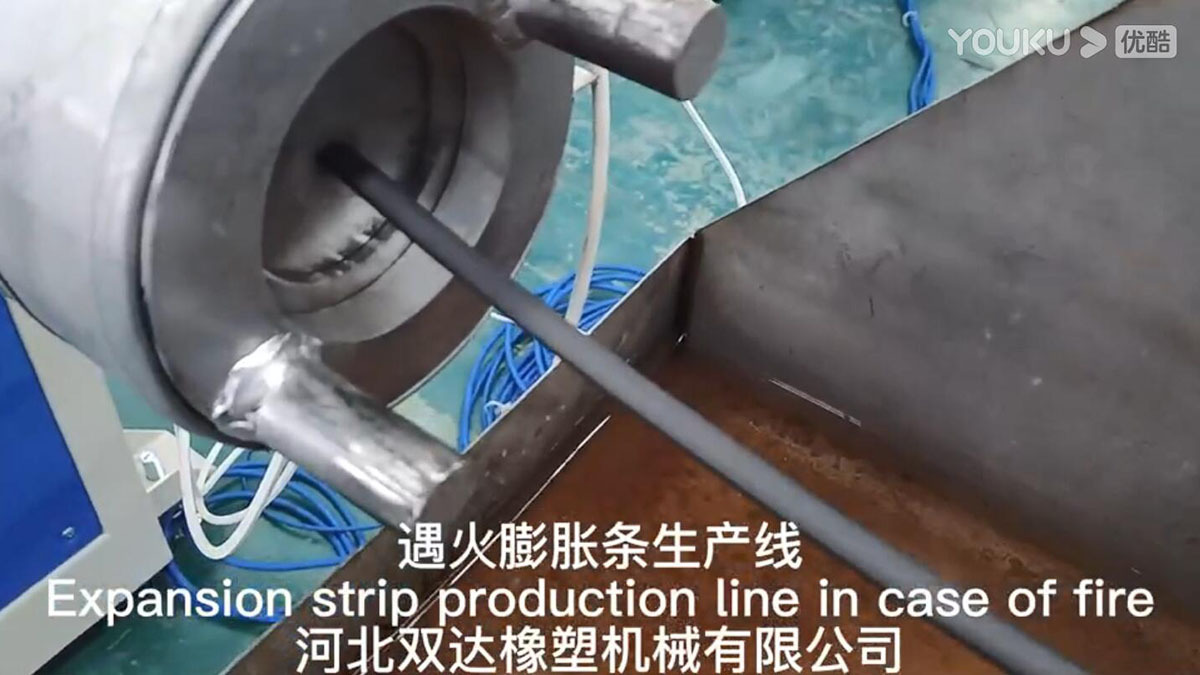
1. The transition from manual to mechanized processes
In the early days, rubber‑filtering machines relied on manually rotating the filter drum to allow raw rubber to flow automatically through the mesh screen; however, this method was extremely labor‑intensive and inefficient. With advances in technology, these machines have gradually been mechanized, entrusting the filtration process to automated equipment. This approach not only saves manpower and resources but also significantly boosts processing efficiency.
2. From Traditional Mechanics to Electronic Control
After years of development, rubber‑molding machines are no longer standalone mechanical devices; they now integrate pneumatic, hydraulic, and electrical control technologies into a single system. Equipped with electronic control, these machines offer automated functions such as automatic cleaning, automatic waste‑discharge, and automatic glue‑cutting, significantly enhancing both production efficiency and product quality.
3. Trends in Intelligent Development
Today, gel filtration machines are becoming increasingly intelligent, integrating sensors, controllers, and networking technologies to enable real-time monitoring and fault prediction, thereby enhancing equipment reliability and stability while reducing production costs and operational risks.
4. Balancing High Energy Consumption with Environmental Protection
During operation, rubber‑molding machines consume substantial amounts of electrical and pneumatic energy, leading to energy waste and environmental pollution. To strike a balance between energy efficiency and environmental sustainability, manufacturers have introduced a range of low‑consumption, eco‑friendly products that leverage advanced technologies such as new energy sources and innovative materials, thereby significantly reducing both energy use and environmental impact.
5. Expansion of Application Scope
As various industries continue to evolve, the application scope of rubber filtration machines is expanding steadily. Beyond the traditional rubber‑product manufacturing sector, these machines are now widely employed in the food, pharmaceutical, and chemical industries, offering smarter, more environmentally friendly fluid‑processing solutions for production in each of these fields.
In short, the development of gel filtration machines is accelerating rapidly, driven by advances in technology, shifting market demands, and manufacturers’ continuous innovation. There is every reason to believe that future gel filtration systems will be even smarter, more environmentally friendly, and more reliable.
Before operating the gel filtration machine, ensure that the equipment is clean. A thorough cleaning of the device is required prior to use.
Select the appropriate filter to ensure effective material filtration. Improper use can easily lead to clogging and other issues.
When replacing the filter, ensure that the new filter is compatible with the equipment. The filter should not be too loose or too tight; it must fit snugly against the device and have a secure seal.
Inspect and maintain the equipment’s operating conditions. When the equipment’s deviation exceeds the specified limit, necessary corrective measures must be implemented.
Equipment should be maintained on a regular schedule. In particular, certain critical components require periodic cleaning and replacement.
When the equipment malfunctions, it should be inspected and repaired promptly. Do not disassemble or attempt to repair it yourself, as this may cause further damage.
When using a gel filtration machine, prioritize safety. Employ protective measures whenever possible to prevent accidents.
Select an appropriate gel filtration machine based on the material characteristics and the required flow rate. Material properties influence the choice of filter media and construction materials, while different materials also demand varying filtration capacities.
To enhance production efficiency, you can opt for a rubber‑filtering machine equipped with automatic feeding and automatic waste‑discharge functions. This will significantly boost productivity.
Understand the pricing and performance of gel filtration systems, and select one that suits your needs. High-quality gel filtration equipment not only boosts production efficiency but also offers a long service life.
If filtration needs to be carried out in a confined space, a smaller‑sized filter press should be selected. However, it is essential to verify that the filtration capacity meets the process requirements.
When purchasing an extruder, consider after-sales service and other factors, and opt for a reputable brand known for reliability and safety to ensure production efficiency and product quality.
It is widely used in the food industry. Selecting the appropriate gel filtration equipment and operating it correctly can significantly enhance production efficiency and product quality.
Related news
Shuangda

Hebei Shuangda Rubber Machinery Co., Ltd.
Tel:400-0319-386
Landline:+86-319-6017632
Email:shuangdaxiangsu@126.com
Official website:www.shuangdajx.com
Addr:Liyuantun Industrial Zone, Weixian County, Xingtai City, Hebei Province
Copyright © 2022 Hebei Shuangda Rubber Machinery Co., Ltd.